
This guide is maintained as a current resource for September 2026 and covers only the laws of England and Wales. Information is for general guidance, not legal advice. Consult a qualified solicitor for advice specific to your situation.
A complete guide on how to cancel a consumer service contract in England and Wales. Learn when a cooling‑off period applies, how to give notice, refund rights, key legal processes, time limits, and what steps to take if a provider disputes your cancellation. Practical, accurate, and up to date.
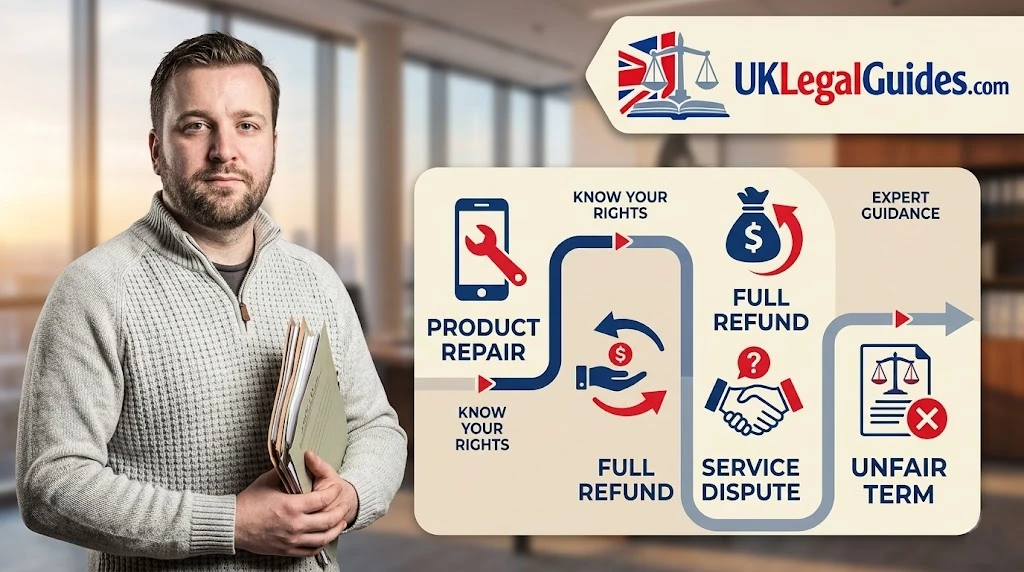
Cancelling a service contract can be complex, particularly if you are unsure about your legal rights and obligations. In England and Wales the law provides specific cancellation rights in certain circumstances, but these rights depend on how and where the contract was formed, what type of service is involved, and what the contract terms say. Understanding these rules can help you act confidently, avoid unnecessary fees, and protect your consumer rights when ending a service agreement. Reliable guidance helps you understand when you can cancel, how to give notice, what refund you may be entitled to, and what protections exist under consumer law.
1. When You Have a Legal Right to Cancel
1.1 Distance and Off‑Premises Contracts
Under the Consumer Contracts (Information, Cancellation and Additional Charges) Regulations 2013 (often called the Consumer Contracts Regulations), you usually have a statutory 14‑day cancellation (cooling‑off) period if you enter a contract for services at a distance (for example online, by phone, or by mail order) or off‑premises (for example in your home or workplace).
- This right does not require you to give a reason for cancellation.
- The period generally starts the day after the contract is formed.
During this cooling‑off period you can cancel the contract without penalty, provided you give notice to the service provider before the period expires.
1.2 Exempt Contracts
Not all service contracts have a statutory right to cancel. Examples commonly excluded include:
- Contracts arranged in person on the trader's premises unless the contract is off‑premises or at a distance.
- Many accommodation, travel, transport, car hire or tickets for specific dated leisure activities.
- Services that are fully performed within the cancellation period at your request, if you acknowledged losing your cancellation right.
Always check the contract terms and statutory provisions to confirm whether a right to cancel applies.
2. Step‑by‑Step: How to Cancel Your Service Contract
2.1 Check the Cooling‑Off Period
Determine if your agreement qualifies for the 14‑day cancellation period under the Consumer Contracts Regulations. If it does, the countdown begins the day after the contract is made.
2.2 Send Clear Cancellation Notice
To cancel, inform the service provider before the end of the cancellation period. Methods that give a written record (such as email or recorded delivery post) are advisable because you may need to prove the date you gave notice.
There is no specific form required unless the trader has provided a model cancellation form. Any clear statement expressing your intention to cancel is legally effective.
2.3 Keep Records
Retain copies of your cancellation notice and any acknowledgment from the service provider. This evidence may be useful in disputes about the cancellation date or refund entitlement.
3. After You Cancel: Refunds and Payments
If you cancel within a statutory cooling‑off period you should normally receive a refund of payments made (for example an upfront fee or deposit).
If services were provided during the cancellation period at your request, the trader may be entitled to charge for the proportion of services supplied up to the cancellation point, provided you expressly agreed to start early.
Refunds must usually be paid within 14 days of cancellation unless your contract specifies a longer period and this is fair and transparent.
4. When You Don't Have a Statutory Right to Cancel
If the contract is outside the Consumer Contracts Regulations and you have no statutory cancellation right, your ability to cancel will depend on contract terms. Common examples include:
- Service agreements agreed on the trader's premises with no off‑premises element.
- Certain ongoing subscriptions or long‑term service contracts not governed by distance or off‑premises rules.
In these cases:
- Check the contract for any termination clauses that set out notice requirements and any fees.
- If the contract contains unfair terms, such as excessive cancellation charges, they may be unenforceable under the Consumer Rights Act 2015.
5. What to Do If a Provider Refuses Your Cancellation
If a trader refuses to accept your cancellation within a statutory period:
- Write again, citing the relevant statutory right and the date you gave notice.
- Include evidence (copies of emails, cancellations forms, and notes).
- If the trader still refuses, consider raising a formal complaint with the business and, if unresolved, escalating to Trading Standards or a small claims court or tribunal.
6. Common Questions About Cancelling Service Contracts
Can I Cancel Just Because I Changed My Mind?
If the statutory cooling‑off period applies, yes - you can cancel without giving a reason within 14 days.
Does Cancellation Affect Liability for Services Already Provided?
If you requested services within the cancellation period, the provider may properly charge for that proportion of work.
Does Cancellation Automatically End Payments?
Always check the contract. Some providers require you to formally notify them of cancellation to stop ongoing payments or subscriptions even after a statutory termination.
Conclusion
Cancelling a consumer service contract in England and Wales depends primarily on whether the contract is a “distance” or “off‑premises” agreement and whether the Consumer Contracts Regulations apply. If they do, you normally have 14 calendar days to cancel the contract with minimal cost, and you should receive a refund of payments made. In contracts outside these rules, your cancellation rights are governed by the contract terms and the protections of the Consumer Rights Act 2015. Keeping clear records, giving timely written notice, and understanding your statutory rights will help you manage service contract cancellations effectively and minimise disputes.
