
This guide is maintained as a current resource for September 2026 and covers only the laws of England and Wales. Information is for general guidance, not legal advice. Consult a qualified solicitor for advice specific to your situation.
A detailed guide to how bail law and sentencing guidelines are updated over time in England and Wales. Learn who makes changes, how statutes and consultations shape bail and sentencing practice, why updates are needed and how courts and practitioners stay informed about current rules and guidance.
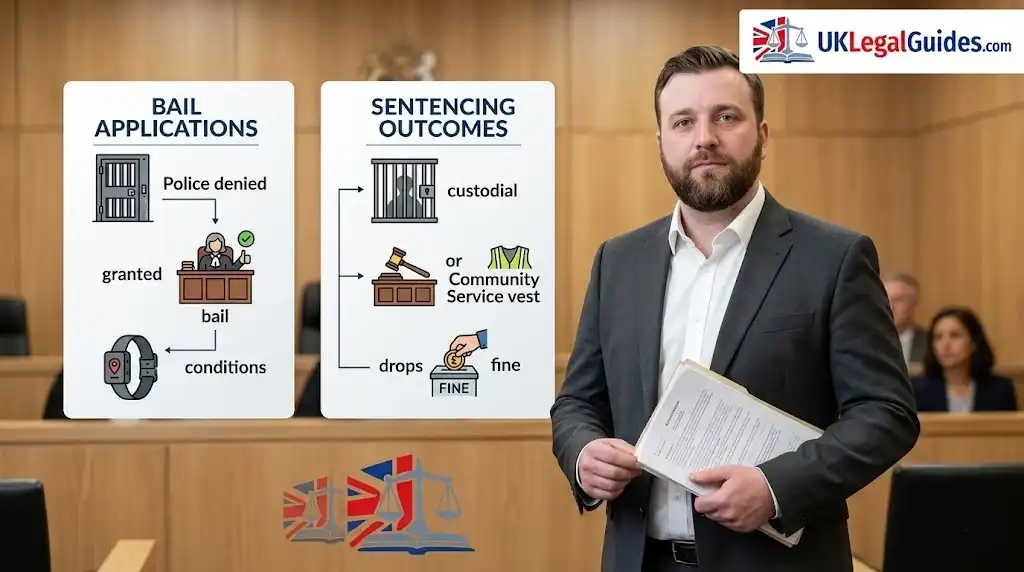
In England and Wales, bail and sentencing are governed by statutory law and authoritative guidance that evolve over time to reflect changes in legislation, case law, policy priorities and societal expectations. These updates ensure that the Bail Act 1976, sentencing frameworks and associated guidelines remain relevant, clear and effective for judges, magistrates, solicitors and members of the public. This article explains the mechanisms for updating bail and sentencing guidelines, who is responsible for the changes, how new law influences practice, and how courts and practitioners stay informed about developments.
The Legal Basis for Bail and Sentencing Rules
Bail and sentencing law in England and Wales derive primarily from Acts of Parliament and subsequent amendments. For example:
- The Bail Act 1976 sets out the default right to bail and the exceptions when bail can be refused. This statute has been amended over time to introduce new provisions and tests to reflect emerging policy priorities.
- The Sentencing Act 2020 (consolidating previous sentencing statutes) sets overarching principles for sentencing, while specific sections may be updated or supplemented by later legislation. Changes to bail law and sentencing law are ongoing, such as provisions in the Sentencing Act 2026, which introduce further revisions to bail and other measures.
Primary legislation is the first and most authoritative source of bail and sentencing rules. Parliament passes Acts which alter, add, or repeal sections of existing law, and those changes take effect on dates specified in the legislation following Royal Assent.
Who Updates Sentencing Guidelines?
The Sentencing Council
In England and Wales, authoritative sentencing guidelines are prepared and maintained by the Sentencing Council, an independent statutory body responsible for assisting courts by producing clear guidance on how the law should be applied in sentencing decisions.
The Council routinely:
- Consults widely - draft guidelines and proposed amendments are published for consultation with solicitors, criminal justice agencies, victims' groups, academics and the public.
- Revises existing guidelines - to reflect changes in law, feedback from guideline users, case law developments, changes in offending patterns and emerging sentencing considerations.
- Publishes updated guidelines on a regular schedule (often quarterly) so sentencers can apply them consistently across magistrates' courts and the Crown Court.
- Produces supporting materials such as explanatory notes and digital guideline updates to aid understanding.
Sentencing guidelines cover a broad range of offences and matters, including custodial and community sentences, ancillary orders, and offence‑specific guidance.
Consultation and Feedback
Guidelines are not static. The Council holds annual consultations on miscellaneous amendments to its guidelines and explanatory materials. These consultations invite suggestions for improvements from practitioners and the public about clarity, consistency, and alignment with current legal and judicial needs.
Stakeholders may highlight issues such as:
- Outdated wording
- Inconsistencies with recently passed legislation
- New case law that affects sentencing practice
Consultation responses are analysed, and proposed changes are published before being implemented.
Statutory Requirements and Oversight
The Sentencing Council operates within a statutory framework that requires it to consult on draft guidelines and to engage with senior legal figures such as the Lord Chancellor and the Lady Chief Justice. Recent legislation (the Sentencing Act 2026) formalises the requirement for the Council to seek approval from these senior figures before issuing or amending definitive sentencing guidelines, introducing an additional layer of oversight.
How Bail Rules Are Updated
Legislative Reform
Unlike sentencing guidelines, which are advisory, bail law itself is governed by statute. The Bail Act 1976 and its amendments determine the legal tests and factors courts must apply when deciding whether to grant bail. Amendments to this Act, such as those introduced by the Sentencing Act 2026, are made through legislation and not by an independent body.
Recent changes to bail law include:
- The adoption of a modified version of the “no real prospect” test, rephrased as the “no real prospect of immediate custody” test to reduce unnecessary remand in custody.
- Expanded eligibility for electronic monitoring requirements, enabling their use where appropriate rather than solely as a way of avoiding custody.
- Statutory additions to the factors a court must consider when deciding bail or remand, such as caregiving responsibilities and domestic abuse histories.
These kinds of changes illustrate how bail rules evolve: Parliament updates the law, and then statutory guidance and judicial interpretation follow to support consistent application.
Statutory Guidance and Practice
Although bail law itself is statutory, government departments - such as the Ministry of Justice and the Crown Prosecution Service - publish guidance for practitioners on how legislation should be applied. These documents help operationalise changes in law, clarify procedural expectations, and reflect updated policy objectives.
Why Updates Are Necessary
Both sentencing and bail frameworks are updated to respond to:
- Changes in statutory law, such as new Acts or amendments that alter criminal justice processes.
- Case law developments, where appellate decisions clarify legal interpretations or correct outdated understandings.
- Policy shifts, such as efforts to reduce prison remand populations or reform sentencing practices.
- Feedback from legal practitioners, who identify practical issues in the application of existing guidelines or statutes.
Sending guidance that is out of date can lead to inconsistency in sentencing or confusion in bail decisions, which could undermine public confidence in the justice system.
How Updates Are Communicated
Once changes are made, they are disseminated through multiple channels:
- Official publications on the Sentencing Council and government websites detailing new or revised guidelines.
- Judicial training and continuing professional development for legal practitioners to ensure they understand current practice.
- Annual reports that set out the Council's work and forthcoming revisions.
- Statutory circulars and guidance documents for bail and remand updates.
These mechanisms ensure courts, lawyers and defendants are informed about new rules well before they come into force.
Interaction Between Bail Rules and Sentencing Guidelines
There can be overlap between bail rules and sentencing guidelines. For example, reforms that affect the remand population may reflect broader sentencing policy priorities included in bills such as the Sentencing Act 2026, which reforms both sentencing law and bail practices.
Updates in law may also require the Sentencing Council to revise guidelines to align with new statutory tests or to ensure that sentencing principles reflect updated bail criteria where relevant.
Common Questions
Who sets bail rules and sentencing guidelines?
Statute (Parliament) sets bail and sentencing law. An independent body - the Sentencing Council - develops detailed sentencing guidelines within the statutory framework.
How often are guidelines updated?
The Sentencing Council runs annual consultations and typically updates guidelines on a quarterly schedule, incorporating amendments as required.
Can bail rules change without new legislation?
No. Bail tests and statutory factors can only be changed through Acts of Parliament (or secondary legislation), not by guidance alone.
Do updates apply immediately?
Once published, definitive sentencing guidelines generally come into force on specified dates (often at the start of a quarter). Changes to bail law typically take effect on the date stated in legislation or commencement orders.
Key Takeaways
Bail and sentencing frameworks in England and Wales are dynamic systems shaped by statute, judicial experience and formal guidance. Sentencing guidelines are maintained and regularly revised by the Sentencing Council through structured consultations, statutory oversight and feedback from users, ensuring courts have clear, contemporary guidance. Bail rules, by contrast, are updated through legislative reform - such as amendments made by the Sentencing Act 2026 - and then supported by official guidance to assist practical application. Together, these processes ensure fair, consistent and up‑to‑date practice in criminal justice decision‑making.
