
This guide is maintained as a current resource for September 2026 and covers only the laws of England and Wales. Information is for general guidance, not legal advice. Consult a qualified solicitor for advice specific to your situation.
Learn what happens when a sentence is quashed on appeal in England and Wales, including re‑sentencing options, retrials, effects on custody, records and potential compensation. Expert overview of appellate powers and outcomes for defendants, solicitors and the public.
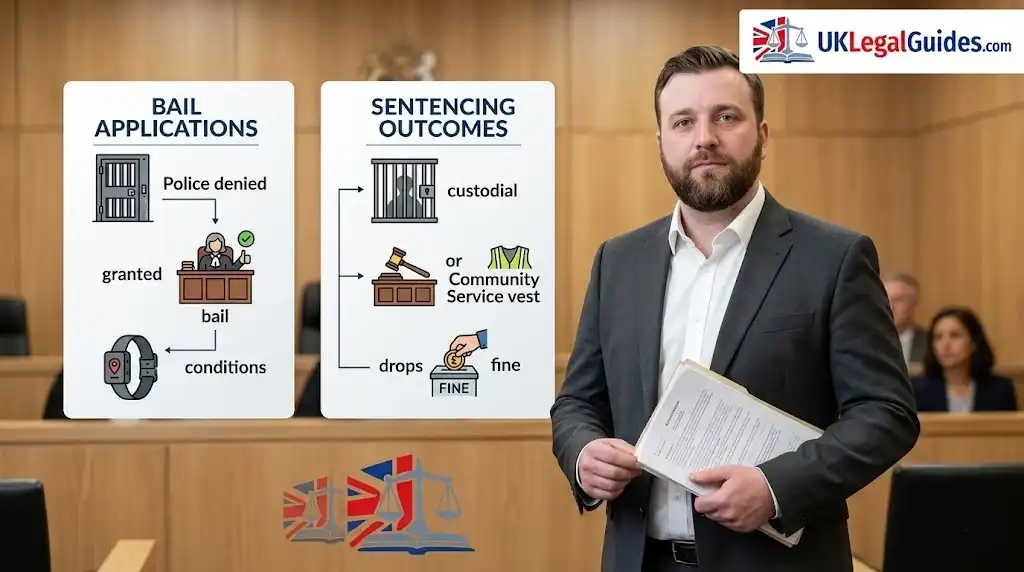
In the criminal justice system of England and Wales, if a defendant successfully appeals against their sentence, the implications are significant. A sentence may be quashed, reduced, replaced or trigger further legal action such as a re‑trial. Understanding the consequences of a quashed sentence - and what courts can do once an appeal succeeds - is important for defendants, solicitors, and anyone seeking clarity about criminal appeals. This article explains the legal framework, the powers of appellate courts, possible outcomes, and practical considerations following a quashed sentence.
What It Means to Quash a Sentence
A sentence is normally quashed when an appeal court - such as the Crown Court on a magistrates' court appeal or the Court of Appeal Criminal Division - determines that the original punishment was wrong in law, manifestly excessive, or otherwise unjust. Quashing a sentence removes the original sentence from effect: it is treated as no longer legally valid.
Court Powers After a Sentence Is Quashed
Re‑Sentencing
When the Court of Appeal quashes a sentence, it has statutory authority under the Criminal Appeal Act 1968 to impose a new sentence appropriate to the offence, based on the facts of the case and applicable sentencing principles. The court must ensure that the new sentence is not more severe overall than the one originally imposed.
In practical terms:
- The appellate court may reduce a sentence that was too harsh.
- It can substitute a different sentence that the lower court could have given originally.
- In rare cases, it can alter the structure of sentences (such as changing concurrent to consecutive terms) provided the total sentence does not exceed the original.
This reflects the principle that an appeal against sentence involves a fresh evaluation of appropriate punishment.
Overturning Convictions and Effect on Sentence
Often, a sentence will be quashed along with a quashed conviction. When a conviction is overturned on appeal, the associated sentence no longer applies because the defendant is no longer legally guilty of the offence.
If the conviction is quashed but the appellate court determines there should be a re‑trial, the original sentence remains void while the criminal process continues; no sentence from the original conviction can be enforced.
When a Retrial Is Ordered
If an appeal court quashes a conviction - often because of procedural errors, unsafe verdicts, or legal mistakes - it may order a retrial if the prosecution satisfies the legal test under section 7 of the Criminal Appeal Act 1968 and relevant guidance.
In such cases:
- The original sentence is quashed.
- The case is sent back for a new trial, potentially before a new jury or bench.
- The prosecution must re‑arraign the defendant within statutory time limits (usually two months unless leave is granted).
A retrial can result in a new conviction and a fresh sentence that may differ from both the original sentence and the appellate court's earlier assessment.
Impact on Custody and Bail
When a sentence is quashed:
- If the defendant was in custody, they may be released immediately when the conviction is overturned and there are no outstanding charges.
- If a re‑trial is ordered, the court will consider whether the defendant should be remanded, released on bail, or remain in custody pending the new trial. The appellate court has discretion to order custody or bail while retrial arrangements are made.
If an appeal to a higher court (such as the Supreme Court) follows, the appellate court might adjust custody or bail conditions accordingly, but once a conviction is quashed, the original sentence cannot be enforced while such proceedings continue.
Criminal Records and Status After a Quashed Sentence
When a sentence is quashed due to a conviction being overturned:
- Official criminal records will reflect the quashed conviction, typically updating the person's record so that the conviction and sentence are treated as null and void for legal purposes (subject to administrative processes).
- Background checks and records held by courts and police will usually be updated to reflect that the conviction no longer stands, although historical entries might note the quashed outcome rather than erase all data. This administrative updating does not automatically “expunge” all traces but changes the legal status.
Records are handled in accordance with standard criminal justice data and information systems.
Compensation and Remedies After Quashed Convictions
In certain circumstances where a conviction has been quashed on the basis of a miscarriage of justice - such as when new evidence demonstrates innocence - the defendant may be eligible to apply for criminal injury compensation under the statutory scheme in the Criminal Justice Act 1988.
Eligibility for compensation depends on statutory requirements, including:
- Whether the appeal was successful due to a new or newly discovered fact undermining the conviction; and
- Whether the conviction was reversed or a pardon granted on compelling grounds.
Not every quashed sentence automatically entitles the appellant to compensation - only where the law specifically recognises a miscarriage of justice under compensation provisions.
Broader Legal and Practical Effects
A quashed sentence and conviction can have ancillary legal effects:
- Driver disqualifications, fines, and other ancillary orders linked to the conviction are usually invalidated alongside the sentence.
- Employment, professional status, and licence applications previously affected by the conviction may be reconsidered in light of the quashed conviction.
- Appeals and retrials can influence future criminal case law, especially where appellate courts clarify sentencing principles or correct lower court errors.
- In rare cases involving points of law of general public importance, matters may progress to the Supreme Court, which can influence national legal standards.
Engaging a qualified solicitor or barrister is crucial to interpret how a particular quashing might affect broader legal and personal circumstances.
Common Questions About Quashed Sentences
Is the defendant free automatically once the sentence is quashed?
Yes, if the conviction is overturned and there are no other charges or retrial orders, the defendant is no longer legally liable to serve that sentence.
Can a retrial lead to a harsher sentence?
Potentially, yes. If a retrial results in a new conviction, the sentencing judge can impose an appropriate sentence up to the statutory maximum for that offence, mindful of rights against harsher punishment than originally imposed.
Does a quashed sentence mean innocence?
Not always. A quashed conviction can result from procedural or legal errors rather than conclusive evidence of innocence. However, where new evidence shows innocence, this can underpin compensation claims.
Key Takeaways
When an appellate court in England and Wales quashes a sentence, the legal effect is that the original punishment no longer stands. The appeal court has statutory powers to re‑sentence the defendant or, if the conviction is also quashed, to order a retrial. Quashed sentences can lead to release from custody, updated criminal records, and in certain cases eligibility for compensation where a miscarriage of justice has occurred. The precise consequences depend on the reasons for the appeal, whether the conviction is also overturned, and any subsequent legal steps such as retrial or higher appeals. Understanding these outcomes helps defendants, families and solicitors navigate the criminal appeal process and its practical aftermath.
