This guide is maintained as a current resource for August 2026 and covers only the laws of England and Wales. Information is for general guidance, not legal advice. Consult a qualified solicitor for advice specific to your situation.
Explore the legal definition of personal injury in England and Wales. This educational guide explains what counts as personal injury, the legal principles involved, negligence and duty of care, types of claim, time limits, compensation elements, and answers to common questions for claimants and solicitors.
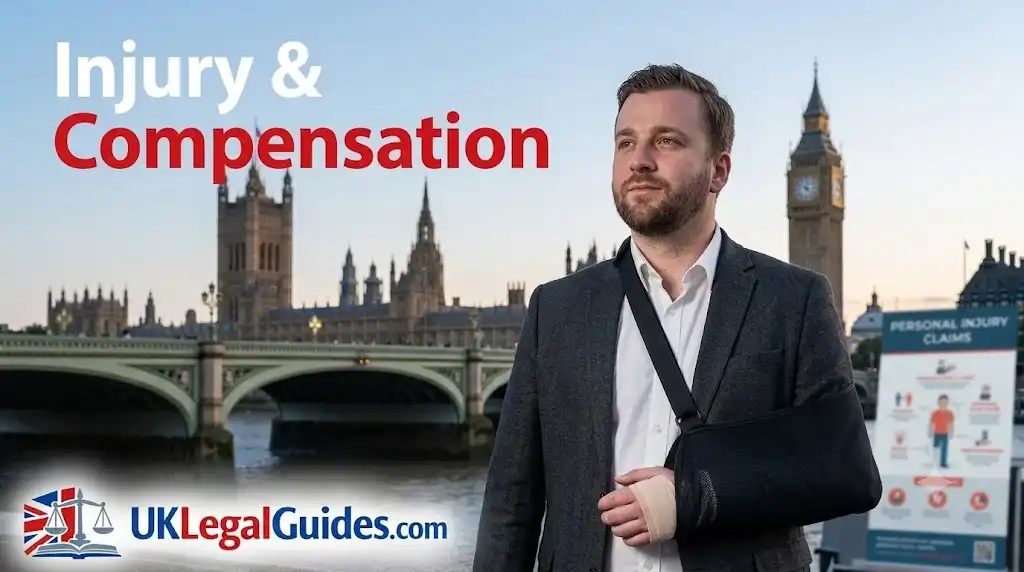
Understanding the legal definition of personal injury is fundamental for anyone considering a compensation claim in England and Wales. Personal injury law allows individuals who have suffered harm - whether physical or psychological - to seek compensation from those responsible for causing that harm. This article explains, in clear and accessible terms, what constitutes personal injury under UK law, the legal principles behind it, the rights of potential claimants, relevant time limits, and common questions that arise when interpreting the scope of personal injury claims. The information is presented for educational purposes and does not constitute personalised legal advice.
What Is Personal Injury?
In English and Welsh legal practice, personal injury refers to harm or damage suffered by a person as a result of another person's act or omission. This harm can be physical (such as a broken bone or whiplash) or psychological (such as anxiety or post‑traumatic stress disorder), provided it can be shown to have been caused by someone else's negligence or wrongful conduct. The term distinguishes harm to a person from harm to property or economic loss unconnected to physical injury.
A personal injury claim arises when an individual seeks compensation from another party - typically the person, company or organisation deemed responsible - on the basis that their negligence or breach of legal duty caused the injury.
The Legal Foundations of Personal Injury Claims
Personal injury claims in England and Wales are rooted in tort law, especially the tort of negligence. Tort law is a branch of civil law that deals with wrongs committed by one party that cause harm to another and entitle the injured party to seek remedies through civil courts or negotiated settlements.
Negligence: The Core Legal Principle
Negligence forms the basis of most personal injury claims. To succeed, a claimant must show that:
- A duty of care was owed - the defendant was under a legal obligation to act reasonably to avoid causing harm.
- The duty was breached - the defendant failed to meet the standard of care expected in the circumstances.
- Causation - the breach directly caused the claimant's injury.
- Damages - the claimant suffered actual harm, loss or damage as a result.
These elements are assessed on the balance of probabilities - meaning the claimant must show it is more likely than not that each element is satisfied.
Not all personal injury claims arise solely under negligence. Some are based on statutory duties or specific legal regimes, such as occupiers' liability (for injuries on someone else's property) or product safety and defective products legislation, which impose legal responsibilities on businesses and manufacturers.
Types of Personal Injury Covered by the Law
Personal injury covers a wide range of situations in which harm results from another party's conduct. Common examples include:
- Road traffic accidents where negligence by a driver causes injury.
- Accidents at work, where an employer's failure to provide a safe environment leads to injury or illness.
- Accidents in public places due to unsafe conditions, such as poorly maintained pavements.
- Medical negligence, where substandard care causes physical or psychological harm.
- Diseases or occupational illnesses linked to prolonged exposure to hazards.
The legal definition is broad enough to include long‑term health conditions that develop over time as well as immediate injuries caused by sudden events. Conditions that are exacerbated by another party's breach of duty may also qualify for compensation.
Psychological Injury
Modern personal injury law recognises psychological harm (also known as psychiatric injury) as compensable in appropriate cases. To succeed, claimants must show that the psychological harm was a recognisable psychiatric condition and that it was caused by the defendant's breach of duty. Mere distress or upset without a diagnosable condition is generally insufficient. Treatment records from medical professionals and evidence of how the injury affects daily life are important supporting evidence.
When Does Personal Injury Arise?
Personal injury normally arises when a negligent act or omission results in harm. It may also arise from intentional acts such as assault, where the wrongdoer's conduct directly causes injury and the claimant seeks compensation through civil action. In that sense, the term covers both unintentional and intentional harm, as long as the legal elements are met.
Limitation Periods for Personal Injury Claims
Time limits for bringing personal injury claims in England and Wales are primarily governed by the Limitation Act 1980. In most cases, claimants must issue legal proceedings within three years of either:
- The date of the accident or injury; or
- The date of knowledge - the date when the claimant first realised the injury was significant and caused (or materially contributed to) by the negligent act.
If a claim is not begun within this period, it is generally statute‑barred, meaning the right to pursue compensation is lost, subject to limited exceptions (for example, claims on behalf of minors or where mental incapacity is involved).
Scope of Compensation
Compensation in personal injury cases is designed to restore the claimant, as far as money can, to the position they would have been in had the injury not occurred. Compensation is commonly divided into:
- General damages - for pain, suffering and loss of amenity.
- Special damages - for quantifiable financial losses such as lost earnings, medical costs and care expenses.
The amount awarded in general damages is guided by legal benchmarks, such as the Judicial College Guidelines, which provide typical ranges based on injury severity.
Contributory Negligence
Under the Law Reform (Contributory Negligence) Act 1945, a claimant's compensation may be reduced if they are found to be partly responsible for their injury. The court can apportion liability fairly and justly between the parties, reducing damages to reflect the claimant's share of responsibility.
Common Legal Questions
Is Personal Injury Only Physical Harm?
No. The legal definition includes psychological injury as well as physical injury, provided there is a recognised psychiatric condition caused by the defendant's breach of duty.
Does Personal Injury Include Property Damage?
No. Personal injury covers harm to the person, not to property. Compensation for property damage is a separate claim (e.g., for damage to a vehicle in a road traffic accident). Legal claims for personal injury focus on bodily and psychological harm, though financial losses arising from that harm may be included in compensation.
Can You Claim if You Are Partly at Fault?
Yes. Claims are still possible under contributory negligence rules, though compensation may be reduced to reflect the claimant's responsibility.
Key Takeaways
In England and Wales, personal injury legally refers to physical or psychological harm caused by another party's negligence, breach of statutory duty or wrongful act. It forms the basis of compensation claims under tort law, typically requiring proof that a duty of care existed, was breached, and directly caused the claimant's injury. Time limits, evidential requirements and principles such as contributory negligence shape how personal injury claims are pursued. Understanding this definition is essential for anyone considering a claim for compensation following an injury.