
This guide is maintained as a current resource for October 2026 and covers only the laws of England and Wales. Information is for general guidance, not legal advice. Consult a qualified solicitor for advice specific to your situation.
Learn how to claim compensation for injuries in crowded public spaces in England and Wales. Understand negligence, evidence collection, claims process, time limits, and steps to secure fair compensation for physical, psychological, and financial harm.
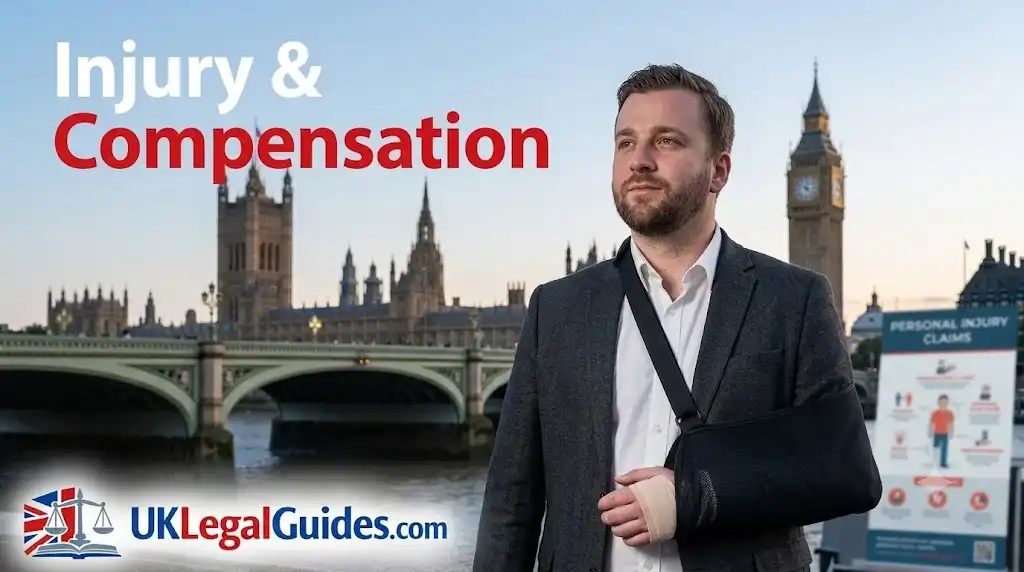
Injuries in crowded public spaces, such as shopping centres, train stations, sports venues, or festivals, are unfortunately common. Such incidents can lead to physical harm, psychological distress, and financial loss. In England and Wales, individuals injured due to the negligence of another party may be entitled to compensation under civil law. This article provides a detailed guide on how to make a claim, including legal rights, evidence requirements, procedural steps, time limits, and potential challenges. It is designed to be accessible to the general public while maintaining professional accuracy for legal readers.
Understanding Liability in Crowded Spaces
Liability arises when an individual or organisation fails to take reasonable steps to prevent foreseeable harm. Establishing negligence in crowded public spaces typically involves demonstrating:
- Duty of care – Owners, occupiers, or organisers owe a responsibility to ensure the safety of visitors.
- Breach of duty – Failure to act reasonably, such as ignoring hazards, overcrowding, poor maintenance, or inadequate supervision.
- Causation – The breach directly caused the injury.
- Damage – The injured party suffered identifiable harm, including physical injury, psychological impact, or financial loss.
Common examples include slips, trips, falls, crush injuries, or accidents caused by defective equipment or poor crowd management.
Steps to File a Claim
Step 1: Seek Medical Attention
Immediate medical assessment is crucial. Treatment not only protects health but also generates evidence for the claim, documenting the nature and severity of injuries.
Step 2: Document the Incident
Collecting evidence strengthens the claim. Key forms of evidence include:
- Photographs or videos of the accident site and surrounding conditions.
- Witness statements and contact details.
- Accident reports filed with venue management or security personnel.
- Medical records detailing injuries and treatment.
- Receipts for expenses such as travel, medication, or lost earnings.
Step 3: Notify the Responsible Party
Inform the venue, event organiser, or property owner about the incident as soon as possible. This allows them to investigate and preserves a record of the claim.
Step 4: Engage Legal Assistance
A solicitor experienced in personal injury claims can:
- Advise on the strength of the case and likely compensation.
- Communicate with insurers and negotiate settlements.
- Act as representative if litigation becomes necessary.
Legal guidance is particularly important for complex cases involving multiple parties or severe injuries.
Step 5: Submit a Claim
Depending on the circumstances:
- Minor injuries may be processed through direct negotiation with insurers.
- More serious claims may require issuing proceedings in the County Court.
- Road traffic elements (e.g., accidents in busy pedestrian areas) may involve separate claims procedures.
Step 6: Assessment of Compensation
Compensation typically covers:
- General damages – Pain, suffering, and loss of amenity.
- Special damages – Financial losses, including medical costs, travel expenses, and lost earnings.
Courts or insurers use medical evidence, expert reports, and witness testimony to determine an appropriate settlement.
Step 7: Settlement or Litigation
Most claims are resolved through negotiation. If a fair settlement is not achieved, the case may proceed to court. Judges assess liability, injury severity, and evidence to determine the compensation amount.
Time Limits
The Limitation Act 1980 provides a standard three-year period from the date of the accident to file a claim. Exceptions include:
- Minors – The three-year period starts when the child turns 18.
- Adults lacking capacity – Time limits may be extended until legal representation can act on their behalf.
Failing to comply with time limits may result in the claim being dismissed.
Potential Challenges
- Disputes over liability – Venue operators may argue that the injury was caused by the claimant's own actions or unforeseeable factors.
- Disputes over severity of injury – Insurers may challenge medical evidence or question long-term impacts.
- Multiple parties – When more than one organisation shares responsibility, establishing primary liability can be complex.
Early legal advice and thorough evidence collection reduce these challenges.
Common Questions from our Readers
Can I claim if I was partially responsible for the accident?
Yes. Contributory negligence may reduce compensation proportionally but does not prevent a claim.
Does compensation cover psychological injuries?
Yes. Emotional trauma or post-traumatic stress resulting from the incident can form part of general damages if supported by medical evidence.
Do I need a solicitor?
While not mandatory, legal representation increases the likelihood of a fair settlement, especially in complex claims or where liability is disputed.
Key Takeaways
Making a claim for injuries in crowded public spaces requires an understanding of negligence, evidence requirements, and procedural steps. Immediate medical attention, careful documentation, and early legal advice are essential to securing fair compensation. Adhering to time limits and presenting a well-prepared claim ensures that courts or insurers properly assess liability and the impact of the injury. By following these steps, injured individuals can protect their rights and obtain redress for both physical and financial consequences.
