This guide is maintained as a current resource for August 2026 and covers only the laws of England and Wales. Information is for general guidance, not legal advice. Consult a qualified solicitor for advice specific to your situation.
Detailed guide on compensation for amputations in England and Wales. Learn how amputation claims work, how damages are calculated, the types of compensation available, time limits, evidence needed, and practical steps to pursue a personal injury or clinical negligence claim.
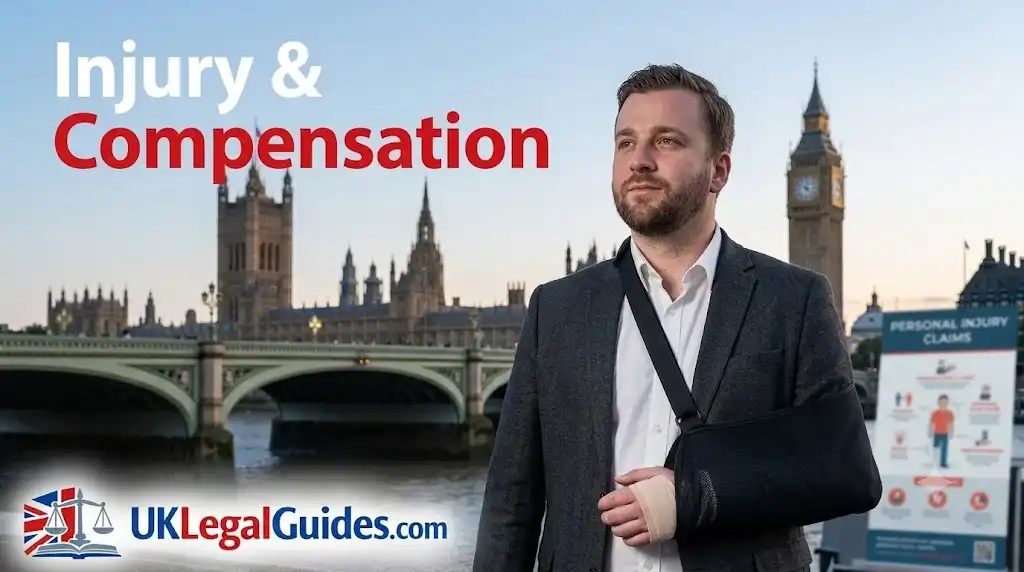
Losing a limb - whether as a result of an accident, medical treatment gone wrong, workplace incident or other negligent act - is one of the most life‑changing injuries a person can experience. In England and Wales the civil justice system provides a means to seek compensation for amputations and serious limb loss when someone else's negligence has caused harm. This article explains the legal framework, how compensation is calculated, time limits, evidence needs and practical steps involved in pursuing an amputation claim, using clear language that is accessible to readers of all backgrounds while remaining credible for solicitors.
What Is an Amputation Compensation Claim?
An amputation compensation claim (also called a loss of limb claim) is a type of personal injury claim brought in the civil courts or resolved by negotiation where negligence or fault caused the amputation or loss of a limb. Claims can arise from:
- Accidents (e.g. road traffic collisions, workplace incidents, slips and trips).
- Medical negligence where avoidable clinical errors lead to amputation or worsen outcomes.
- Public liability incidents involving unsafe premises.
To succeed, claimants must demonstrate that a responsible person, employer, service provider or healthcare professional owed a duty of care, that this duty was breached, and that this breach directly caused the amputation. Once liability is established, compensation can be assessed for both the immediate and long‑term impact of the injury.
Legal Basis and Duty of Care
In England and Wales, amputation claims are governed by principles of negligence and, where healthcare is involved, clinical negligence law. Under general negligence principles:
- A legal duty of care must exist. For example, employers owe a duty to provide safe workplaces, and drivers owe a duty to other road users.
- The duty must be breached by failing to meet the standard of a reasonable person or professional.
- The breach must cause the amputation and resulting loss.
In clinical negligence claims, the duty of care arises from the relationship between patient and healthcare provider. Claimants must show that the care provided fell below the standard reasonably expected of a competent professional, and that this directly caused the need for amputation or aggravation of injury.
Types of Compensation in Amputation Claims
Compensation for amputations usually comprises two main heads of loss: general damages and special damages.
General Damages
General damages compensate for physical and psychological harm, including:
- Pain and suffering resulting from the injury and treatment.
- Loss of amenity, meaning reduced ability to engage in life activities, hobbies and social participation.
- Psychological effects, such as anxiety, depression or post‑traumatic stress.
Courts and insurers use the Judicial College Guidelines (JCG) - judicially endorsed valuation ranges - to assist in assessing general damages. In 2024 and 2025, typical JCG general damage brackets for amputation include:
- Loss of both legs: approximately £293,850 – £344,150.
- Loss of both arms: approximately £293,850 – £366,100.
- Loss of one arm above the elbow: £133,810 – £159,770.
- Loss of one leg below the knee: £119,570 – £162,290.
- Loss of one foot: £102,470 – £133,810.
These figures are only indicative of general damages for pain and suffering. The total award typically also includes special damages.
Special Damages
Special damages reimburse financial losses and expenses that arise from the amputation, and they can substantially exceed general damages. Typical special damages include:
- Loss of earnings and future loss of earning capacity where the injury affects employment or career prospects.
- Prosthetic limbs and ongoing replacement costs, including advanced prosthetic technology not routinely provided on the NHS.
- Medical treatment and rehabilitation, such as physiotherapy and occupational therapy.
- Home and vehicle adaptations to accommodate disability, including stairlifts, widened doors and accessible bathrooms.
- Care and assistance costs whether provided by paid carers or family members.
- Travel costs for medical appointments, treatment and rehabilitation.
Calculation of special damages requires detailed evidence of costs and projected needs over the claimant's lifetime. Economists and vocational experts may assist in valuing future losses.
Evidence and Valuation
To support an amputation claim, claimants typically need:
- Medical records confirming diagnosis, treatment details and causation.
- Independent medical expert reports on prognosis, future care needs and functional limitations.
- Employment evidence, including payslips and employer statements for loss of earnings claims.
- Receipts, invoices and estimates for prosthetics, adaptations, aids, therapy and care.
- Witness statements and accident reports where the amputation resulted from an accident or negligent incident.
Medical expert evidence is especially important in amputation claims, as judges and insurers assess both the severity of injury and the lifelong impact on the claimant's life.
Time Limits (Limitation Periods)
Generally, claims for personal injury and medical negligence must be started within three years of the date of the injury or the date the claimant became aware that negligence caused the harm. This is set out in the Limitation Act 1980. For amputation claims arising from clinical negligence, limitation usually runs from when the claimant first became aware of the negligent conduct.
There are exceptions:
- Children can bring a claim at any time until their 18th birthday; the three‑year period then runs from their 18th birthday.
- Adults lacking mental capacity do not have the limitation period start until capacity is regained, and a litigation friend (such as a relative or solicitor) can act on their behalf.
Acting promptly preserves evidence and ensures compliance with legal deadlines.
Practical Steps to Pursue a Claim
1. Seek Medical Assessment and Treatment
Prompt medical attention ensures your injury is formally documented. Even existing medical treatment records may not contain the detailed analysis needed for a compensation claim, so follow‑up examinations are often necessary.
2. Gather Detailed Evidence
Collect all relevant records, including hospital notes, imaging reports, surgical reports and accident documents. Document financial losses and future needs early to support special damages calculation.
3. Consult a Specialist Solicitor
Amputation claims are among the most complex personal injury and clinical negligence cases due to their profound long‑term implications. Specialist solicitors can help gather evidence, instruct appropriate experts, and negotiate with insurers or represent you in court.
4. Consider Funding Arrangements
Many amputation claims are pursued under no win no fee (conditional fee) agreements, meaning no upfront costs and fees are paid only if the claim succeeds. Solicitors can explain funding options appropriate to your case.
Potential Challenges in Amputation Claims
Proving Causation and Breach
In negligence cases, it is essential to show not just that the amputation occurred, but that the defendant's breach of duty caused it. In clinical negligence cases, this includes showing that competent professionals would not have acted as the defendant did.
Quantifying Future Needs
Valuing lifelong care, prosthetics and adaptations requires expert input from economists and rehabilitation specialists. This complexity can prolong the claims process but improves the accuracy of compensation for future needs.
Emotional and Psychological Impacts
Amputations often result in psychological effects such as anxiety, depression or adjustment disorder. Compensation includes recognition of these harms within general damages, and expert psychological evidence can support these aspects of your claim.
Common Questions
Can I claim if the amputation was medically necessary but poorly handled?
Yes. In clinical negligence claims, it may be possible to challenge the standard of care that led to or exacerbated the amputation, provided the negligence can be proven and caused additional harm.
Does compensation cover prosthetics and adaptations?
Yes. Special damages routinely include the reasonable costs of prosthetic limbs, mobility aids, home and vehicle adaptations, care services and rehabilitation.
Is there a minimum compensation?
No. There is no statutory minimum; the amount depends on the severity of injury, future needs and individual circumstances. The JCG ranges act as a guide for general damages.
Key Takeaways
Compensation for amputations in England and Wales recognises both the physical and psychological impact of losing a limb and the extensive financial consequences it can impose. Claims involve detailed assessment of general damages (pain, suffering, loss of amenity) and special damages (loss of earnings, prosthetics, care, adaptations). Amputation claims must be started within statutory time limits and supported by robust medical, financial and expert evidence. Consulting specialist solicitors and expert advisors helps ensure that all relevant losses are properly assessed and pursued.